Thai Massage vs Deep Tissue Massage: Which Is Right for You?
By Nancy, CAMTC-Certified Massage Therapist
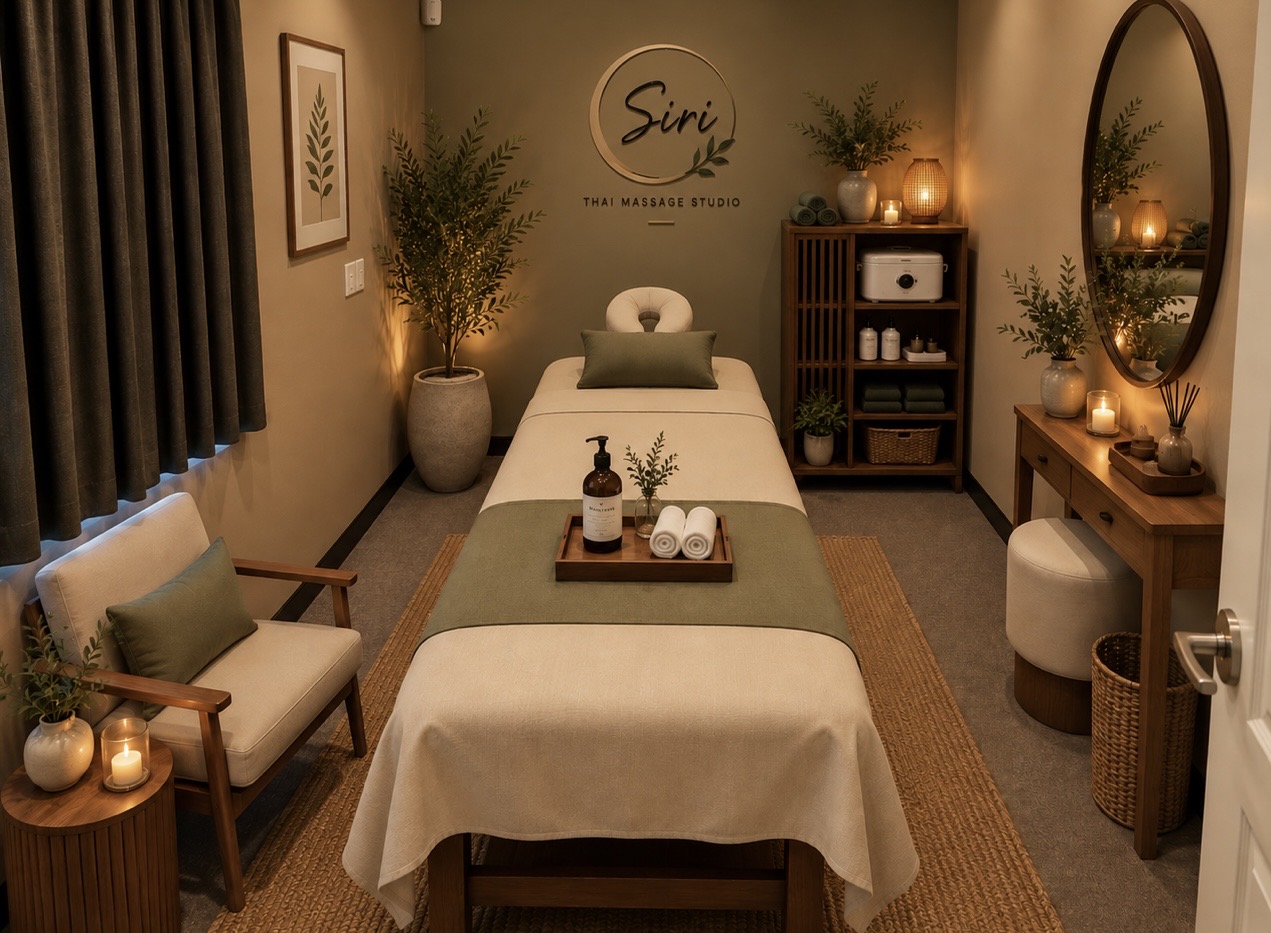
If your back feels tight, your shoulders are carrying the week, or your whole body just feels stiff, you've probably wondered which to book: Thai massage or deep tissue. Both can involve firm pressure, but they feel very different on the table.
The short version: Traditional Thai massage is mostly about stretching and movement, with rhythmic pressure along the way. Deep tissue has much less stretching and more slow, focused pressure on the muscles that feel tight. Here's how each one works at Siri Thai Massage Studio in Willow Glen, San Jose, and how to decide.
The quick comparison
| Feature | Traditional Thai Massage | Deep Tissue Massage |
|---|---|---|
| Main focus | Stretching and movement, with rhythmic pressure and acupressure | Slow, firm pressure on tight muscles and knots |
| Stretching | A core part of the session | Little to none; sometimes light stretching at the end |
| Pressure | Adjustable from gentle to firm, using palms, thumbs, forearms, knees and feet | Firm and focused, using forearms, elbows, knuckles and feet |
| Oil | Optional, your choice | Yes |
| Often chosen for | Stiffness in several areas, wanting to feel more mobile, preferring little or no oil | A specific knot, neck and shoulder tightness, liking firm pressure |
| Price (60 / 90 / 120 min) | $90 / $140 / $180 | $90 / $140 / $180 |
Both are performed by Nancy, the studio's only therapist, on the same padded table and with the same draping, so the real difference is what happens during the session.
What Traditional Thai massage feels like
Stretching is the heart of Traditional Thai massage. Nancy guides your legs, hips, back, shoulders and arms through assisted stretches, adjusted to how flexible you are, and combines them with rhythmic pressing and acupressure. The pressure can come from her palms, thumbs, forearms, knees or feet, and it can be as gentle or as firm as you like.
Thai massage is traditionally done on a floor mat. At Siri, every session takes place on a padded Earthlite massage table, with the stretches adapted to it. That's easier on the knees and more comfortable if getting up and down from the floor isn't your idea of relaxing. Oil is optional, and you decide whether it's used.
Traditional Thai may suit you if you:
- feel stiff across several areas rather than in one spot
- want to feel looser and move more freely
- do yoga, hike or work out regularly
- prefer little or no oil
- are curious about traditional Thai techniques
Learn more about Traditional Thai Massage
What deep tissue massage feels like
Deep tissue is slower and more concentrated. Using oil, Nancy works with long, firm strokes and her forearms, elbows and knuckles to reach deeper layers of muscle, and she spends extra time on the knots and areas you mark on your intake form. There's little to no stretching, although she sometimes adds a little at the end.
Deep tissue may suit you if you:
- sit at a desk and carry tension in your neck, shoulders or upper back
- run or train and have tight legs or back muscles
- have one stubborn spot you want worked on
- simply enjoy firm pressure
The most common worry is that deep tissue has to hurt to work. It doesn't. Firm pressure can feel intense, but it shouldn't be painful. Nancy works at a level where your muscles can let go rather than tense up against the pressure, and you can ask for lighter pressure at any time. Some clients feel mildly sore for a day or so afterward, which usually fades on its own.
Learn more about Deep Tissue Massage
About the foot pressure and support bars
In both services, Nancy may use her feet to apply broad, even pressure. Two support bars run above and parallel to the table, and she holds them throughout, so she controls exactly how much of her weight reaches you. If you've heard of ashiatsu, the setup is similar, but Nancy's technique comes from Thai massage. If you'd rather not have foot pressure, just ask for hands-only work before or during your session.
Which is better for your back or neck?
It depends on what you're feeling. If your neck and shoulders are tight from long hours at a screen and you want focused work there, deep tissue is usually the closer match. If your back feels stiff as part of a general tightness through your hips, legs and shoulders, Traditional Thai may leave you feeling more mobile, because stretching is built into the session.
A simple test: if you'd describe it as "my whole body feels stiff," start with Thai. If it's "there's one knot next to my shoulder blade that won't let go," start with deep tissue. Neither rule is absolute, since Thai can be firm and deep tissue can cover the whole body, but it shows where each session puts its emphasis.
There are also more targeted options on the menu:
- Office Syndrome Massage concentrates on the neck, shoulders and upper back for people who spend long hours sitting.
- Thai Therapeutic Massage focuses on one recurring problem area.
A word from Nancy
"Thai massage is more about stretching and opening up the body so you can feel freer and more mobile afterward. Deep tissue uses less stretching and more focused pressure, so it is better when you want us to spend time on tight muscles or a specific problem area."
What to expect at Siri Thai Massage Studio
Every appointment starts with an intake form covering your preferred pressure, areas of pain or tension, any health conditions, and anything that has changed since your last visit. Nancy reviews it with you before the massage begins.
You undress to your underwear and stay fully draped with a sheet; only the area being worked on is uncovered. Nancy checks in about pressure during the session, and you can ask for lighter or firmer pressure whenever you like.
Nancy is a CAMTC-Certified Massage Therapist. She trained at Bodhi Panya Institute (BPI) in San Francisco, a CAMTC-approved school specializing in traditional Thai massage, and has seven years of professional massage experience. She performs every service on the menu and speaks Thai and English. Because she's the studio's only therapist, you'll see the same person every visit.
The studio is inside SCORE Clinic at 1609 Meridian Avenue, San Jose, with free on-site parking. Get directions
Should you book 60, 90 or 120 minutes?
Sixty minutes works well if you already know what you want or have one or two areas to focus on. Ninety minutes gives Nancy time to work through several areas without rushing, which makes it a comfortable choice for a first visit. A 120-minute session is there if you'd like the longest option. There's no need to book the longest session by default; choose based on how many areas you want addressed.
A note on health and pregnancy
If you have a medical condition or injury, tell Nancy on your intake form or before your session, and check with your doctor first if you're unsure whether massage is right for you. If you're pregnant, please book our Prenatal Massage instead. It's available from 3 months of pregnancy, and no foot pressure is used.
New to Thai massage? Read What to Expect at Your First Thai Massage.
Still not sure which to book?
That's completely normal. Call or text us at 669-639-0636, tell us how your body feels and what pressure you usually enjoy, and we'll help you choose. You can also contact us here.
For more answers, see the FAQs on the Traditional Thai and Deep Tissue pages, or our general massage FAQs.